In recent years, there has been an ongoing debate regarding whether gaming addiction is a real phenomenon or just a fabricated concept. However, many high school students around the world have found themselves hooked on gaming, leading to negative effects on their social, academic, and mental health. This essay will explore the reality of gaming addiction in high school students, why it happens, and what measures can be taken to prevent addiction and help addicted students.
What is Gaming Addiction?
Firstly, it is essential to define what gaming addiction is. Gaming addiction is a behavioural addiction characterised by compulsive and excessive gaming that leads to negative consequences. Such negative consequences include social isolation, academic decline, sleep deprivation, and mental health issues such as depression and anxiety. According to the World Health Organisation, “gaming disorder is a disorder in which an individual gives increasing priority to gaming over other interests and daily activities and continues gaming despite negative consequences.”
Why do students get addicted to gaming?
Gaming addiction is prevalent in high school students for various reasons. For instance, gaming provides an escape from daily life’s pressures, such as academic work and social relationships, which can be overwhelming for many students. Additionally, the development of online multiplayer games has made gaming more social and fostered a sense of community for many players. Students who may feel left out in their daily lives can find a sense of belonging in the gaming community.
Moreover, high school students are at a stage of life when they are searching for their identity and sense of self. Gaming can be an avenue for students to explore different personalities and identities that they may not feel comfortable expressing in real life. Additionally, students can explore different worlds and cultures through gaming, leading to a sense of adventure and exploration.
Furthermore, the increasing use of technology has made gaming more accessible to high school students. The rise of mobile gaming has made gaming possible anytime, anywhere, leading to students playing games even during class time or study sessions. The easy accessibility of games makes it easier for students to become addicted to gaming.
How to prevent addiction?
The effects of gaming addiction on high school students are detrimental, and it is essential to prevent addiction and help those who are already addicted. One way to prevent gaming addiction is by setting limits and boundaries. Parents and teachers can set rules and guidelines for gaming and technology use, such as limiting the amount of time spent gaming or restricting gaming during certain times of the day. Additionally, students can be encouraged to engage in other activities such as sports, reading, or other hobbies, to help them find a healthy balance between gaming and other interests.
Moreover, it is essential to educate high school students on the potential negative consequences of excessive gaming. Many students are unaware of the potential negative effects of gaming and may not realise that they are developing an addiction until it is too late. Educating students on the potential risks of gaming can help them make more informed decisions about their gaming habits.
Rehabilitation and Support
In addition to prevention, it is essential to provide help to those who are already addicted to gaming. One way to help addicted students is to seek professional help. Mental health professionals can provide therapy and counselling to help students overcome their addiction and address underlying mental health issues that may be contributing to their addiction.
Furthermore, support groups and peer counselling can also be helpful for students struggling with gaming addiction. Support groups provide a sense of community and understanding for students struggling with addiction. Peer counselling, on the other hand, can be an avenue for students to discuss their experiences and challenges with peers who may have gone through similar experiences.
Lastly, it is essential to recognise that gaming addiction is a complex issue that requires a multidisciplinary approach. Parents, teachers, mental health professionals, and students themselves all play a role in preventing and helping with gaming addiction. It is essential to work together to find effective solutions that address the unique needs and challenges of each individual student.
Researching for school projects was always, always a fun task to do. The nature of school projects in our early grades was usually arts and crafts. It would involve a couple of runs to the stationary store to buy cutouts of famous political leaders or birds, or countries and flags too! And then the whole family would collect together to stick them on chart paper and make one great collage of it all. And we, as children, would proudly roll it up, put an elastic band on it and carry it with us on our school bus. And before the project was due, we would exchange notes on who did a better job with all our fellow students.
As we got older, research projects got harder. We had to use four or five different kinds of books to pick out information that we thought best suited the point we were arguing about. We took the books from school libraries and would pour over them, till we found what we needed. It was a different kind of thrill, making our arguments from books.
Somewhere along the way, we built the Internet. And Google. And then research for our papers became a breeze. A simple search on Google gave us 1000s of articles to read from. And in a couple of years, we knew which websites gave us the best information, so we would make all our arguments from those. And with this, more students were submitting similar research papers or assignments.
Being a student in today’s world is a little more complex – yes, we have super-speed Internet, and we have tons of research papers available at our fingertips, but we also have AI. So, how are Digital Tools and Artificial Intelligence going to change the game of education? Will it change forever? Or will it be an academic’s downfall? Read on to find out!
Digital tools have already changed education in several ways and will continue to do so in the future. We leave the ‘for better or worse’ argument for you to conclude at the end of this blog.
Accessibility
For starters, digital tools have made education in general, way more accessible to the modern world, and to a wide range of students. All one needs to do is to have access to a smart device, and a decent internet connection. And there is no dearth of that, for any price range. With the widespread availability of the internet, students can now access educational resources and courses from anywhere in the world. This opens up opportunities for students who might not have been able to pursue higher education or otherwise gain knowledge and skills.
Digital tools such as smartphones and tablets have made it possible for students to learn on the go. This means that students can study and complete coursework from anywhere, at any time, as long as they have an internet connection. Digital tools also enable teachers to personalize learning for individual students, taking into account their strengths and weaknesses. This helps students learn at their own pace and ensures that they receive the support they need to succeed.
And for differently-abled students, digital tools often include accessibility features, such as screen readers and closed captioning, that make learning more accessible in today’s world, compared to before. Online learning and open-source educational resources can help to reduce the cost of education. This is especially important for students who might not be able to afford the cost of traditional education.
Digital tools have made education more accessible by providing students with more opportunities to learn, regardless of their location or financial situation. This has the potential to greatly improve educational outcomes for students and create a more equitable educational system.
An individualized approach to learning
Digital tools have made learning highly personalized and tailor-made for every student. You learn at your pace, with your strengths and weaknesses.
Digital tools allow teachers to track student progress and performance, providing them with real-time data to inform their teaching. This data can be used to personalize learning experiences for individual students, taking into account their strengths and weaknesses. AI algorithms can analyze a student’s performance data to identify areas for improvement and recommend personalized study materials. This helps students focus on the topics they need to work on the most, making their learning experience more effective. Hence, making digital tools a medium to create learning experiences that adapt to each student’s abilities and pace. This means that students can progress at their own pace, without being held back by the pace of the class.
And of course, it allows a teacher or professor to make customized content for every student. Digital tools make it easy for teachers to create customized learning experiences for individual students. For example, teachers can use online learning platforms to create tailored lessons and assessments for each student.
And lastly, digital tools make learning more interactive and engaging through gamification. Teachers can incorporate games and other interactive elements into their lessons to make learning more fun and motivate students to learn.
Collaboration
We use our smartphones for nearly everything! From instant messaging to social media to research and coursework. But what we don’t often realize is the power of digital tools for collaboration with education.
Digital tools such as email, instant messaging, and video conferencing make it easy for students to communicate and collaborate with each other and with their teachers from anywhere in the world. Social media platforms such as Facebook, Twitter, and LinkedIn provide students with opportunities to collaborate and network with their peers and with professionals in their field. Online forums and project management tools enable students to collaborate on projects and assignments in real time, regardless of their location. These tools help students stay organized and on track with their work, improving their ability to work together effectively. VR and AR technologies are rapidly changing the way students learn and collaborate. For example, VR can create virtual learning environments where students from different locations can work together in real time.
This leads to more productive and engaging learning experiences, which can improve experiential and exponential educational outcomes.
Blended Learning
Just like Work From Home, educators across the globe are choosing to be flexible about learning when students want to learn, and where they want to learn. An experience that was available to students way before COVID-19. Digital tools provide students with more flexibility to learn at their own time and pace. This means that students can choose to attend traditional classroom-based classes or complete coursework online, according to their schedule and preferences. With the personalization of education through digital tools, blended learning helps to ensure that students receive the support they need to succeed. Real-time data on students’ performances allows educators to track a student’s progress, even with blended learning. Digital tools provide students with access to a wealth of online resources, including video tutorials, interactive simulations, and e-books. This enables students to learn at their own pace and receive support when they need it.
Gamification
The best part about using digital tools for education is the experiential gamification that it allows a student to engage with. Digital tools make it easier for teachers to create games and other interactive learning experiences that engage students and keep them motivated. This makes learning more fun and helps students to stay focused and interested. It enables teachers to create games and other learning experiences that are tailored to the individual needs and abilities of each student. This makes learning more effective and helps students to progress at their own pace. Digital games and other learning experiences often provide students with real-time feedback on their performance, helping them to track their progress and identify areas for improvement. It makes it easy for students to collaborate and play games, regardless of location. This helps to build teamwork and communication skills, which are important for success in the workforce.
Overall, digital tools have made gamification in education better by enabling teachers to create more engaging and personalized learning experiences for students. This leads to a more effective and enjoyable learning experience.
Immersive Learning
VR and AR allow students to immerse themselves in virtual environments and experience learning in a whole new way. This makes learning more engaging and memorable. It is now possible for students to visit remote locations and experience learning in environments that would otherwise be inaccessible. This provides students with a deeper understanding of the world around them. Studies have shown that students who use VR and AR technologies are more likely to retain information and recall it more accurately than students who do not. VR and AR technologies enable students to collaborate and work together in virtual environments, regardless of their location. This helps to build teamwork and communication skills, which are important for success in the workforce.
With VR, students can experience virtual field trips to places they may not be able to visit in person. AR can enhance textbook learning by adding interactive elements to static pages.
Artificial Intelligence
AI-powered digital tools can analyze data on student performance and make recommendations for personalized learning paths based on individual needs and abilities. This helps to ensure that students receive the support they need to succeed. It can also provide instant feedback to students on their work, freeing up teachers to focus on more important tasks. This leads to a more efficient and effective learning experience. AI-powered digital tools can analyze student data and predict outcomes, allowing teachers to intervene early and provide support wherever needed. This helps to ensure that students are on track for success. It can be used to create educational content, freeing up teachers to focus on more important tasks. This leads to a more efficient and effective learning experience.
AI-powered digital tools can make learning more accessible for students with disabilities or learning difficulties by providing audio, visual, and text-based support.
In conclusion, digital tools are transforming education by making it more accessible, personalized, collaborative, interactive, and innovative. As technology continues to advance, we will see even more changes in the future. The challenge will be to ensure that these digital tools are used effectively to support student learning and provide equitable educational opportunities for all students.
How can parents, educators and students use digital tools better for education?
Yes, it’s true. While digital tools can greatly change the game of education, they also have the potential for great misuse. By establishing clear goals and outcomes, educators, parents, and students can work together to use the available digital tools for the desired outcomes. And of course, with this kind of power comes responsibility. Educators, parents, and students should work together to establish clear guidelines for the responsible use of digital tools in education. This helps to ensure that the tools are used in a safe and appropriate manner.
Educators, parents, and students should receive training on how to use digital tools effectively for education. This helps to ensure that they are using the tools in the most efficient and effective manner possible.
Educators, parents, and students should use data to inform their decisions about the use of digital tools in education. This helps to ensure that the tools are being used in the most effective way possible. It’s important to stay up-to-date with the latest developments in digital tools and technologies. This helps to ensure that they are using the most effective and efficient tools possible.
Educators, parents, and students should collaborate and work together to ensure that digital tools are being used effectively for education. This helps to ensure that everyone is working towards the same goals and that the tools are being used in the most effective way possible.
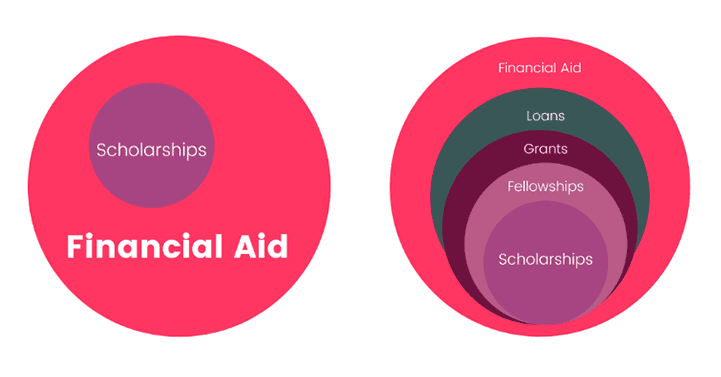
Though the terms “scholarship” and “financial aid” very often are used interchangeably the main difference between the two is that “scholarship” as a term and as a phenomenon in the academic and educational industry is considered to be a component of “financial aid”. Thus “scholarship” is only a small portion of “financial aid”.
Other types of financial aid are “fellowships”, “grants”, “travel grants”, “studentships”, “loans”, “tuition fee waivers”, “study allowances”, etc, but the “scholarship” remains the most popular type of “financial aid”.
Financial Aid and Ivy League Colleges
“Our goal is to bring the most promising students to Harvard—period. We’ve created a financial aid program to help ensure that admitted students can afford their Harvard education. Our financial aid officers will work closely with your family to understand your financial situation, then create a comprehensive financial aid package that accounts for the full cost of attendance and determine need based on your family’s income, assets, and overall financial circumstances.”
– Harvard Admissions Office
“Princeton is attainable, accessible, and affordable. Our aid program is designed to encourage all qualified students — regardless of financial circumstances — to consider applying for admission to Princeton. . Princeton admission is need-blind — there is no disadvantage in the admission process for financial aid applicants. If offered admission, Princeton will meet 100% of your demonstrated financial need with grant aid.”
– Princeton Admissions Office
Financial aid to Ivy League schools is only based on financial need, not academics. So if you meet low-income criteria, then most of the Ivy League schools will meet the full financial need if accepted.
To conclude “Financial aid” in the context of education is a term to describe any type of financial assistance to students and researchers to cover necessary costs of education such as the tuition fee, living costs and accommodation costs. Financial aid may be of different types and depending on the type it may be as a gift or as a debt, that should be returned within a certain amount of years.
Scholarship is a division of financial aid and only describes financial assistance as a gift with no obligation to return the received money to the scholarship provider.
A young American high school student gets into 7 out of 8 Ivy League Schools and still feels horrid about missing that 1 school, leading them to question their worth. Sound familiar? Maybe that’s because there have been more than a few movies and TV shows that have used this trope. Still makes for an interesting movie though. Ivy League universities have fascinated students for generations. But why are Ivy League Schools so darn sought after?
There are 8 Ivy League universities, all of which have been around since the 1950s and are located in America. They are known for their reputable education, status, exclusivity, and not to forget – their notoriously low acceptance rates. The powerful alumni networks, world-call and leading research material, great starting salaries and a solid headway on your career path make Ivy League universities extremely sought after for most students.
So if you want that head-start in your career with an Ivy League school, this article is just for you! We’re going to tell you all about how you can crack that admission to the Top 8 schools in the world.
The key to getting into your dream school lies in early prep.
The Ivy League colleges are some of the most selective and prestigious institutions in the world, attracting a large number of applicants, on average about 23,000 applicants each year. By starting early, you’ll have more time to research the colleges and gather the necessary materials to make your application stand out. Preparing early for Ivy League college applications will increase your chances of being admitted and ensure that you have a smooth and stress-free, (that you will need) application process.
So what are the stages of Ivy League college applications?
Now that you’re here, getting started on your journey of Ivy League applications isn’t the most important step, but it is the most crucial one in your application process. This step is the one that will put your organizational skills to the test. Get those excel sheets out and start planning.
Start by researching the Ivy League colleges that interest you and learn about their admission requirements, application deadlines, and unique programs and opportunities. Don’t worry too much, because this step takes a LOT of time. We want you to do the course you’ve always dreamed of doing, and nothing short.
Another important component to note while doing your research is to excel or plan out the weightage each of the 8 universities places on the different components of the application process. Some universities place greater importance on your letter of recommendation, while some place more weight on your statement and essays. So, plan, research, and write accordingly. Remember, they will ALL need to be customized for each university.
Once you are clear on your shortlisted colleges and courses, make clear and concise notes of the specific requirements for each college you’re interested in, including the required materials and application fee for each of them.
Then you will need some time to gather the necessary materials for your application. This includes transcripts, test scores, letters of recommendation, essays, and any other required materials. We’ll get to a few of these in more detail, in a bit. Give your teachers and counselors ample time to write strong letters of recommendation.
It’s super important to keep following up with the colleges. Keep track of your application status and follow up with the colleges if necessary, once you are done submitting all your documents.
Then comes the big wait: receiving admissions decisions. We’re sorry, but the wait might just take the life out of you. But you can expect to hear back from the universities with their decisions between December and April.
Now for the last and final straw of your application process: making a final choice. After you receive your admissions decisions, compare your options and make a final choice based on your goals, financial situation, and overall fit with the university. You can also talk to the alumni of your chosen universities and get a good understanding of your cultural fit in the college.
Let’s break down the components and weightage of Ivy League colleges
The components and weightage of Ivy League college applications vary depending on the specific college. We suggest getting that excel sheet you made at the beginning to understand the different weights for each college. But typically, they include the following:
Academic performance and transcripts: This is the most important component of the application, and it is usually given the most weightage. Colleges will look at your grades, courses, and academic record to assess your academic ability and potential.
Standardized test scores (SAT/ACT): Ivy League colleges usually require either the SAT or ACT, and test scores are typically given a moderate weightage in the admissions process.
Extracurricular activities and leadership experience: Colleges are interested in applicants who are well-rounded and have demonstrated leadership and involvement outside of the classroom. This component of the application is usually given a moderate weightage. We’ll discuss this in more detail in some time.
Letters of recommendation: Letters of recommendation from teachers, counselors, and other professionals can provide valuable insight into your character, abilities, and achievements. The weightage of letters of recommendation varies depending on the college.
Essays and personal statements: Essays and personal statements allow applicants to showcase their personality, interests, and goals. The weightage of essays and personal statements also varies depending on the college, but they are often given a moderate amount of weight. We’ll discuss this too, in the next section.
Now, how do you write that perfect essay and personal statement?
Your essays and personal statement for Ivy League college applications are essentially a reflection of you. They want to know you, they want to know your goals, your strengths, weaknesses, and interests. What moves you? Why should they choose you, out of the 22,999 applications they get?
Writing the perfect essay and personal statement for Ivy League colleges can be a challenging but rewarding task. The process of writing a personal statement and essay, also allows you to understand yourself better. Yes, this is challenging, but think about the bigger picture. Who are you? And what will you bring to the world? Here are some tips to get you cracking on that perfect essay or personal statement.
Know the prompt: Before you start writing, make sure you understand the topic you’re being asked to address. Read it carefully and make sure you know what the college is looking for in your essay. Take your time to read, understand, research, and write. But most importantly, write in a way that shows who you are.
Be yourself: The essay is an opportunity for the college to get to know you better. Be authentic and honest in your writing, and avoid trying to impress the admissions committee with overly formal or grandiose language.
Show, don’t tell: Instead of just telling the admissions committee about yourself, use specific examples to illustrate your experiences and achievements. This will help bring your essay to life and make it more memorable. Set the context, use references, and paint pictures through your words.
Highlight your strengths: Use your essay to highlight your unique talents, experiences, and accomplishments. This will help set you apart from other applicants and demonstrate your potential as a student.
Be concise: Ivy League colleges always receive a very LARGE number of applications, so it’s important to be concise and direct in your writing. Avoid excessive use of unnecessary words or sentences and focus on the most important information.
Proofread: Before submitting your essay, make sure to carefully proofread it for any typos, grammatical errors, or other mistakes. A well-written essay is important, but a flawless one can make a strong impression on the admissions committee.
Seek feedback: Finally, consider seeking feedback from a trusted teacher, counselor, or mentor before submitting your essay. They can help you identify any areas for improvement and provide you with constructive criticism. Also send it to your friends and family, those who know you, to see if your essay is a true reflection of yourself.
How can you budget to attend your dream school?
We all know that attending an Ivy League isn’t cheap. While colleges, in general, can be expensive, there are several financing solutions to help take you through your determination of graduating from an Ivy League school. Look at scholarships and grants, there are several of them available. You can also take a look at financial aid opportunities offered at your dream Ivy League school.
It’s important to start thinking about finances early in the college application process to ensure that you have a clear understanding of the cost of attendance and your options for funding your education. Remember to factor this in your excel sheet while deciding on schools. Seeking guidance from a financial advisor or college counselor can be extremely helpful in navigating the financial aspect of attending an Ivy League college.
Ivy League colleges are among the most expensive in the country, with high tuition, and room and board costs. Before applying, make sure you have a clear understanding of the cost of attendance for each college you’re interested in and determine if it’s within your budget. Don’t forget to also factor in your boarding, living expenses, and all of the things you’ll want to do there. But the good thing is that Ivy League colleges offer financial aid and scholarships to help offset the cost of attendance for students who demonstrate financial need. To be considered for financial aid, you may need to complete the Free Application for Federal Student Aid (FAFSA). You can also get student loans and financial aid options to cover part or all of your expenses. Be sure to keep an eye out for these in the early stages of your application, as you will need to write a few essays, and statements and show proof of financial aid.
Many Ivy League colleges offer work-study programs, which allow students to earn money while attending college by working part-time on campus, which is a great option if you decide to apply to go to school mid-career. If you’re not able to pay for college through financial aid, scholarships, or work-study, you may need to take out student loans to help cover the cost. Make sure to thoroughly research and understand your loan options before borrowing.
If you’re a student dependent on your family for funds, your parents may be required to contribute to your college expenses. Make sure to have a conversation with your parents about their expected contribution before applying to Ivy League colleges.
Between all of these options, we’re sure you’ll be able to figure it out!
Now, how can you come across as a well-rounded individual in your essays and personal statements?
The extracurricular activities highlighted in your essay and personal statement have tons of weightage in the admissions process. The admissions committee is looking for folks who take part in extracurricular activities that align with their goals and dreams. They also compare your extracurriculars with your scores and tests, because a marker of a well-rounded individual is their ability to balance workload with extracurricular activities.
Extracurricular activities demonstrate that a student is well-rounded and has interests and skills beyond academics. This can help to round out a student’s profile and give the admissions committee a better understanding of their personality and character. They also demonstrate a student’s passion for certain interests and how dedicated they are to pursuing them. This can demonstrate leadership, initiative, and a strong work ethic, which are all qualities that Ivy League colleges are looking for in applicants.
A student’s extracurricular activities can also give the admissions committee an idea of their potential for future success. For example, involvement in a sports team may demonstrate teamwork skills, while involvement in a club may show leadership abilities. Extracurricular activities can also help to bring diversity to a college campus. Ivy League colleges value students who bring a unique perspective and background to the campus community, and extracurricular activities can demonstrate this.
Essentially, extracurricular activities are an important part of the Ivy League college application process because they help the admissions committee to understand the applicant as a well-rounded individual with a range of interests and skills, and potential for future success.
Final thoughts and advice for Ivy League applicants
Always start early. The Ivy League college application process can be competitive and time-consuming, so it’s important to start preparing early. This will give you enough time to gather all the necessary information, write a compelling essay, and submit your application by the deadline. And don’t forget to have a master sheet with all your research in hand.
Research everything about each Ivy League college! If you’re interested in a few colleges, do a ton of research to determine if you are a good fit. Think about the academic curriculums, the cultural fit, and the extracurriculars you can pursue on campus. See if they align with your goals, visions, and dreams.
If you aren’t tired of hearing this already: be yourself. In your essays and throughout the application process, be yourself and let your unique personality and experiences shine through. This will help you stand out from other applicants and demonstrate why you’re a good fit for the college.
Show your achievements. Make sure to highlight your achievements, both academic and extracurricular, in your application. This will demonstrate your potential as a student and help you stand out from other applicants.
If you’re feeling stuck, ask for help. If you need help or have questions, don’t hesitate to reach out to college counselors, teachers, or other trusted adults for guidance. They can provide you with valuable advice and support throughout the application process.
While it’s important to take the Ivy League college application process seriously, it’s also important to not stress too much about it. Focus on doing your best and let the admissions committee determine if you’re a good fit for their college.
By following these tips, you can put your best foot forward in the Ivy League college application process and increase your chances of being accepted into the college of your choice.
During a recent panel discussion with parents and mentors at the Harvard YLC Conference, Mumbai – a question that kept popping up constantly was – “Are grades more important than extracurricular activities for admissions in Ivy League schools?”
Grades or Extracurriculars? Which is more important?
Straight answer?
Both.
Grades are important for you to cross the first line of vetting. Once you cross that, how do you set yourself apart from the thousands of other students who have similar high scores?
That’s where your extra-curricular activities come into play.
Quoting verbatim from Harvard admissions page, “We seek to identify students who will be the best educators of one another and their professors—individuals who will inspire those around them during their college years and beyond.”
Another quote, “We look for students with intellectual curiosity, who have pursued and achieved academic excellence. We also look for students with strong personal and extracurricular accomplishments.” – Princeton Admissions
Okay great. We can safely say that extra-curricular activities are important, a potential decider. Now they can be literally anything under the sun, from skiing to pottery to stamp collecting.
How do you choose?
Below we are listing a few activities that we believe (based on extensive research) will take your portfolio to the next level!
Community service or volunteer work
Colleges are interested in admitting students who are actively engaged with their communities. Whether it’s a school community, local community, or otherwise, a connection to the outside world and an understanding of something greater than oneself is a trait that invariably leads to better Ivy League candidates.
Model United Nations
If a student’s theme involves anything about history, diplomacy, international relations, or political science, Model UN can be a powerful addition to his or her application. Model UN is unique because it is an activity almost universally favored by admissions officers for the wide breadth of benefits it presents.
Sports leadership
Sports are good extracurricular activities because they promote teamwork, dedication, and perseverance. Therefore, students must be extremely discerning and honest about their ability and potential in a given sport before deciding to undertake the enormous time commitment.
Political activism Ivy League colleges love to see active students, so activism is one of the most powerful extracurricular activities to include on an application. Political activism demonstrates a student’s engagement in the world around him or her, the dedication and initiative to take action in building a better world, and most importantly, a true interest in the betterment of society.
Starting a club
It is great if there is a theme applied to an application and the more specific that theme, the higher the chances of success. However, finding a very specific club may prove difficult. For example, a science club may exist, but a biological anthropology club most likely doesn’t. Art clubs may exist, but digital art may not. If a student and a few of their friends are interested in a subject, why not start a new club?
Research paper
One of the very best and most impressive ways to seal the deal on an Ivy League application is to include a research paper on a topic related to the student’s theme. A long, well-researched, well-cited paper is certainly worthy of regard, and is considered a big accomplishment for high school students. However, top colleges have recognized this trend.
A thing to be noted is that while top universities want to see that you are able to apply yourself in a variety of areas, they are more interested in a dedication to excellence than simply a long list. This usually means really excelling at just one or two activities even if you are a part of many more.
PS – Don’t forget those vital letters of recommendation. Colleges look at them for confirmation of activities undertaken!